10 Best DIY Homemade Vanilla Perfume Recipes Using Essential Oils for a Personalized Fragrance Experience
I’ve always loved the warm, sweet smell of vanilla. It’s soft, comforting, feminine, and has a beautiful way of making an ordinary day feel a little more special.
One thing I especially enjoy about making perfume at home is being able to experiment with different scents until I find a fragrance that feels just right.
Vanilla is such a lovely base because it blends beautifully with floral, fruity, woody, and spicy essential oils. If you’ve ever wanted to create your own signature scent without spending a fortune on store-bought perfume, these homemade vanilla perfume recipes are a wonderful place to start.
They’re simple, customizable, and perfect for everyday wear or thoughtful handmade gifts.
Why Make Your Own Vanilla Perfume?
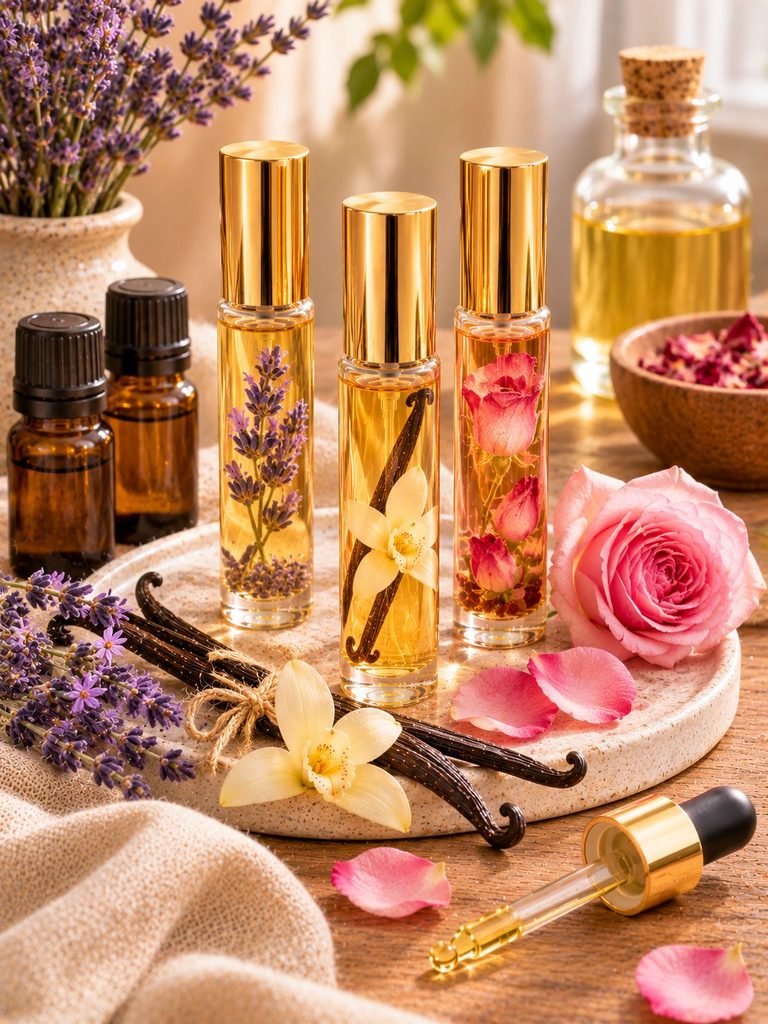
Making homemade perfume is a lovely way to explore fragrance while creating something that reflects your personality. Instead of choosing from a limited selection of ready-made scents, you can combine different essential oils to create a fragrance that feels uniquely yours.
Vanilla is particularly wonderful for homemade perfume because it has a warm, sweet, and comforting aroma. It can soften stronger fragrances, complement delicate floral notes, and add a cozy sweetness to fresh or citrusy blends.
Here are a few reasons to try making your own:
- Personalized fragrances: You can adjust the scent to suit your preferences, whether you love soft floral perfumes, sweet fragrances, or warm, sophisticated aromas.
- Budget-friendly: A small collection of ingredients can be used to create several different perfume combinations.
- Creative and enjoyable: Experimenting with fragrance combinations is a fun DIY project that lets you express your creativity.
- Lovely handmade gifts: Small perfume bottles make thoughtful gifts for birthdays, holidays, bridal showers, and other special occasions.
- Control over ingredients: You can select your carrier oil, fragrance ingredients, and packaging while keeping track of everything you use.
One important thing to remember is that homemade perfume is not automatically safer or gentler than commercial perfume. Essential oils are concentrated and need to be diluted properly before applying them to your skin.
What You Need to Make Homemade Vanilla Perfume
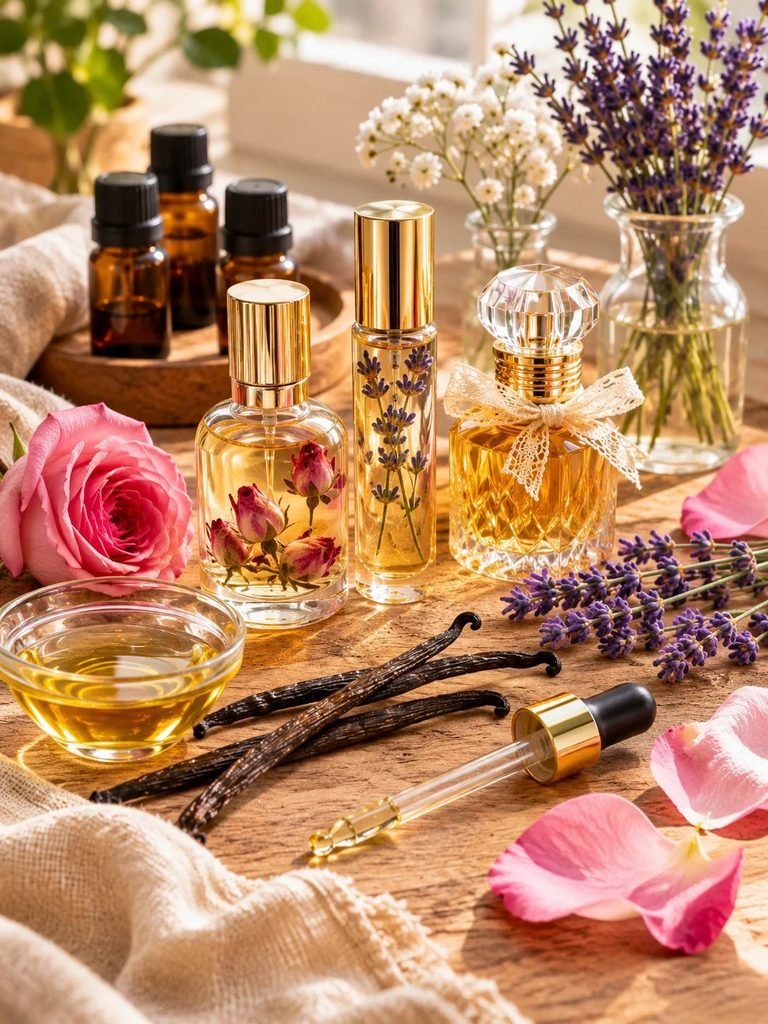
Before trying the recipes, it’s helpful to gather a few basic supplies. You don’t need an expensive perfume-making kit to get started. Most of these ingredients are easy to find from soap-making suppliers, aromatherapy shops, and beauty DIY stores.
Essential Ingredients
- Vanilla oleoresin or vanilla absolute: These provide the rich, sweet vanilla aroma. Choose a product specifically suitable for leave-on skin products. Vanilla is not generally obtained as a conventional steam-distilled essential oil.
- Essential oils: Lavender, sweet orange, frankincense, cedarwood, geranium, and other suitable oils help create different fragrance profiles.
- Jojoba oil: A lovely lightweight carrier oil that works well in roll-on perfumes.
- Fractionated coconut oil: Another lightweight option that spreads easily and has very little fragrance of its own.
- Perfume bottles: Small 10 ml roller bottles are convenient for oil-based perfumes.
- Small glass droppers: These help you measure and transfer ingredients.
- Labels: Useful for recording your fragrance combinations and preparation dates.
Understanding Vanilla Fragrance Notes
A beautiful perfume usually combines three fragrance layers:
- Top notes: The first scents you notice. Citrus oils such as sweet orange provide a fresh opening.
- Middle notes: These form the heart of the fragrance. Lavender, geranium, and ylang-ylang are lovely examples.
- Base notes: These provide warmth and depth. Vanilla, cedarwood, sandalwood, and frankincense can help create a richer fragrance.
Vanilla works particularly well with woody and floral notes because it adds sweetness and softness without making every fragrance smell exactly the same.
Read DIY Room Spray With Essential Oils: 8 Lovely Scent Options
Important Safety Tips Before Making Your Perfume
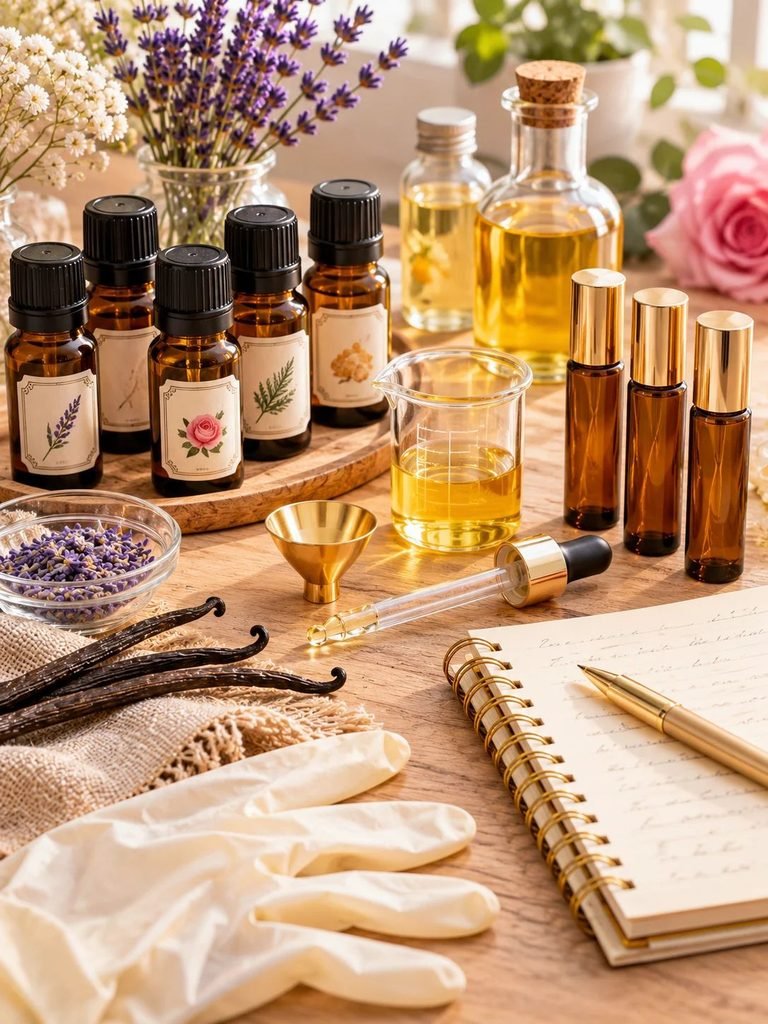
Because these recipes are designed for personal fragrance, it’s important to use skin-safe ingredients and appropriate dilution.
Essential oils are concentrated substances, and natural does not automatically mean safe for direct skin application.
For these beginner recipes, use a conservative starting dilution of approximately 1% total aromatic ingredients in a 10 ml finished perfume. That is roughly 2 drops of aromatic material in 10 ml, although drop sizes vary and precise measurement is preferable. This is a starting point, not a universal safety limit. Always check the supplier’s skin-use instructions and the maximum dermal limit for every ingredient. NAHA+1
A few additional precautions:
- Never apply undiluted essential oils directly to your skin.
- Avoid using ordinary vanilla baking extract, which is not formulated as a perfume ingredient.
- Choose vanilla materials specifically approved for topical cosmetic use.
- Avoid phototoxic citrus oils in leave-on perfumes unless you have verified their safety limits. Steam-distilled citrus oils or bergamot FCF are useful alternatives, but still require appropriate dilution. iFAROMA+1
- Perform a patch test using the correctly diluted finished product and discontinue use if irritation develops.
- Keep perfume away from your eyes, lips, broken skin, and other sensitive areas.
- Do not use these recipes on babies or young children.
- Store your finished perfume away from heat and direct sunlight.
A note about the recipes: Each blend below is designed around two drops of total aromatic ingredients per 10 ml bottle. For example, a 1:1 combination means one drop of each ingredient.
This keeps the formulas simple for beginners, although the fragrance will be relatively subtle. Do not increase the concentration without checking the safety limits of each ingredient.
10 Best DIY Homemade Vanilla Perfume Recipes Using Essential Oils
Here comes the fun part! These ten combinations offer different fragrance personalities, from soft and romantic to fresh, sweet, warm, and sophisticated.
Each recipe makes approximately one 10 ml oil-based roll-on perfume.
1. Classic Vanilla and Lavender Perfume
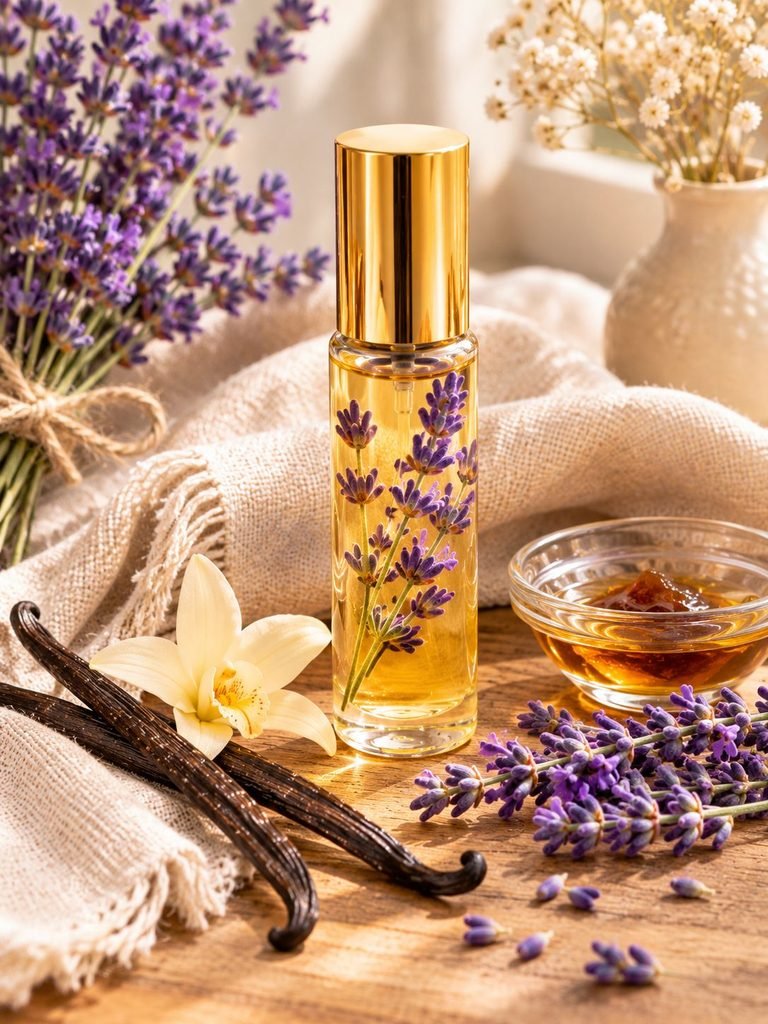
If you love gentle, comforting fragrances, this vanilla and lavender combination is a beautiful place to start. Lavender has a fresh floral aroma, while vanilla adds a sweet warmth that makes the fragrance feel soft and inviting.
It’s a lovely everyday scent, especially if you prefer perfumes that aren’t too overpowering.
Ingredients:
- 1 drop skin-safe vanilla oleoresin
- 1 drop lavender essential oil
- Jojoba oil to fill a 10 ml roller bottle
Instructions:
- Add the vanilla oleoresin and lavender essential oil to your clean roller bottle.
- Fill the remaining space with jojoba oil.
- Attach the roller-ball top and secure the lid.
- Gently roll the bottle between your hands to combine the ingredients.
- Label your perfume and allow it to rest for a day or two before evaluating the fragrance.
Why you’ll love it: The lavender brings a delicate floral freshness, while vanilla gives it a warm, sweet finish. It’s a lovely choice for anyone who enjoys simple, feminine fragrances.
2. Sweet Vanilla and Orange Perfume
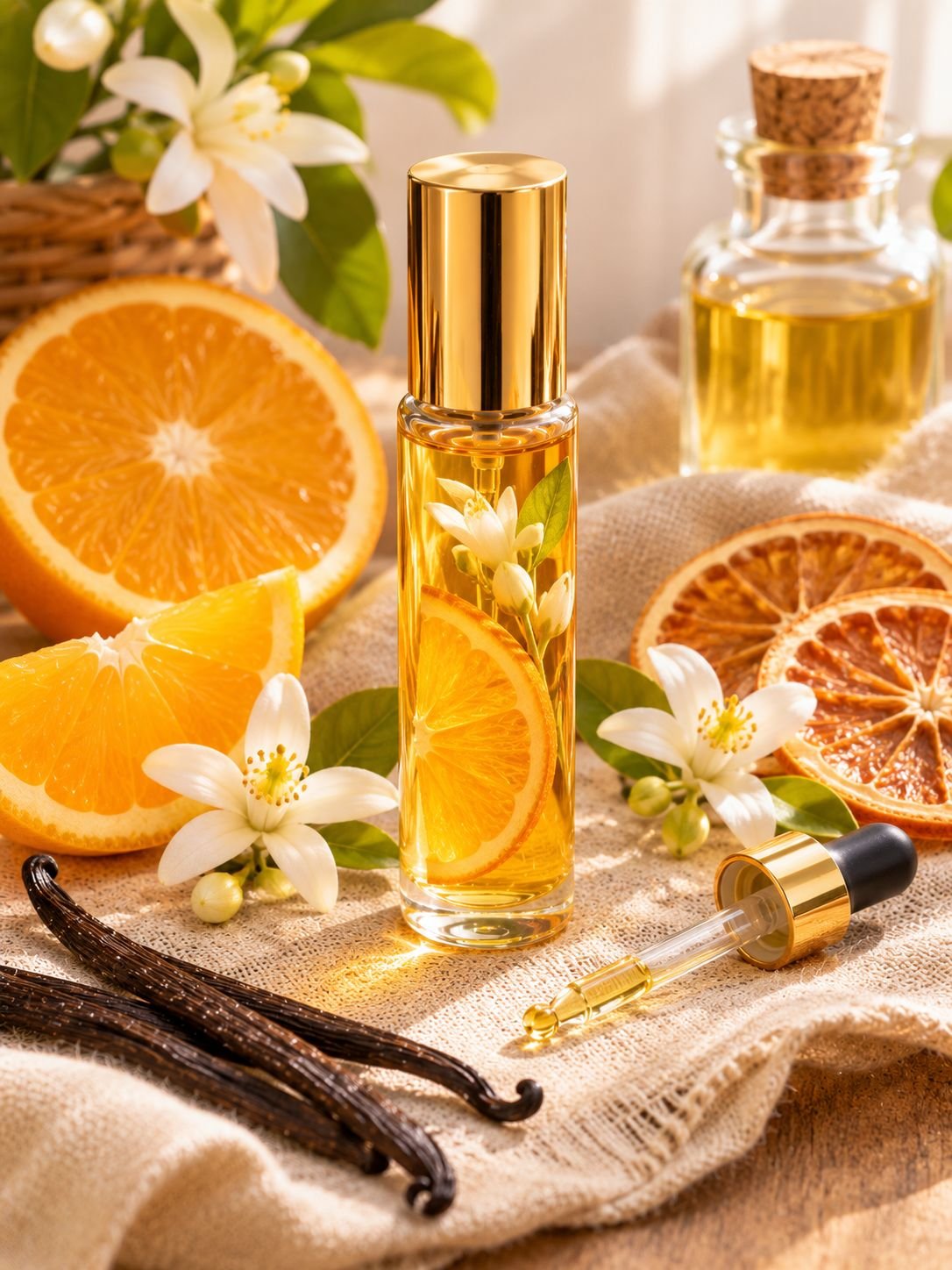
This fragrance is perfect if you enjoy sweet scents with a little brightness. Sweet orange essential oil has a cheerful citrus aroma that pairs beautifully with the creamy warmth of vanilla.
The result is a fragrance that feels fresh, playful, and welcoming.
Ingredients:
- 1 drop skin-safe vanilla oleoresin
- 1 drop sweet orange essential oil
- Jojoba oil to fill a 10 ml roller bottle
Instructions:
- Add both aromatic ingredients to your roller bottle.
- Fill the bottle with jojoba oil.
- Secure the roller-ball top and cap.
- Gently roll the bottle to mix.
- Label and store away from sunlight.
Why you’ll love it: The orange creates a fresh opening, while vanilla gives the fragrance a sweet, comforting character. Make sure you use a suitable sweet orange oil and follow its topical-use guidance.
3. Vanilla and Rose Perfume
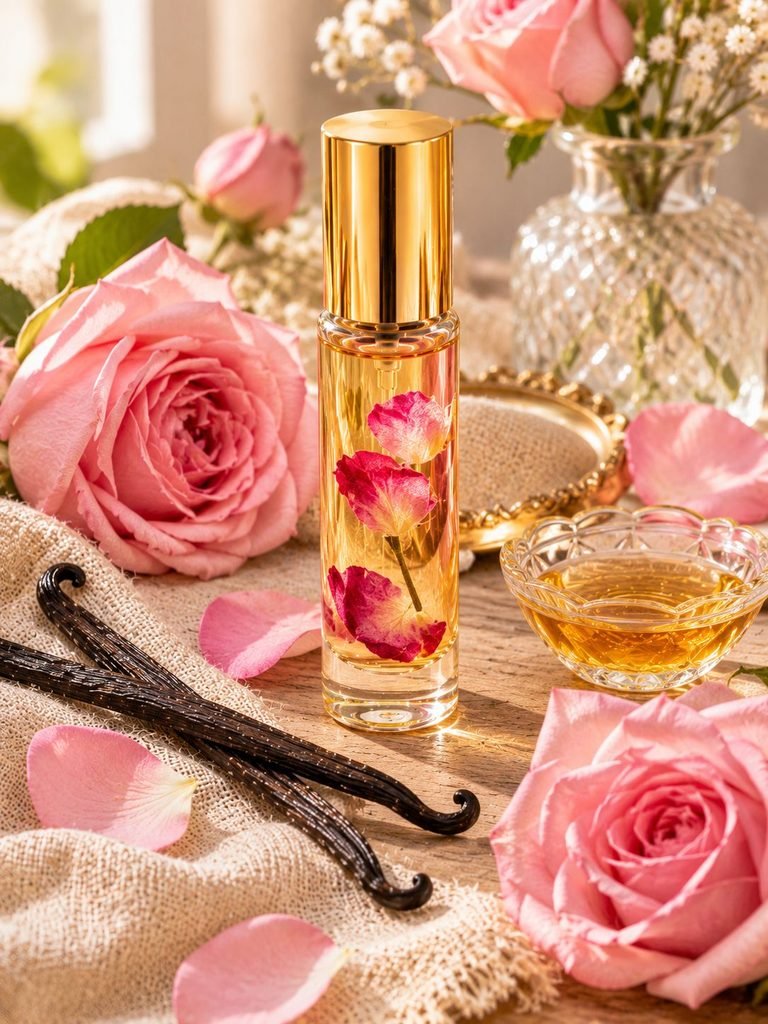
For something more romantic and elegant, try combining vanilla with rose. Rose has a beautiful floral aroma that blends wonderfully with the softness of vanilla.
This is a lovely option for anyone who enjoys delicate floral fragrances with a warm, sweet background.
Ingredients:
- 1 drop skin-safe vanilla oleoresin
- 1 drop rose absolute approved for topical use
- Jojoba oil to fill a 10 ml roller bottle
Instructions:
- Place the vanilla and rose aromatic ingredients into your roller bottle.
- Add jojoba oil until the bottle is full.
- Secure the roller-ball top.
- Roll gently between your palms.
- Allow the fragrance to settle before testing it.
Why you’ll love it: Rose brings a soft floral character, while vanilla adds warmth and sweetness. This combination is especially lovely for special occasions and thoughtful handmade gifts.
4. Warm Vanilla and Sandalwood Perfume
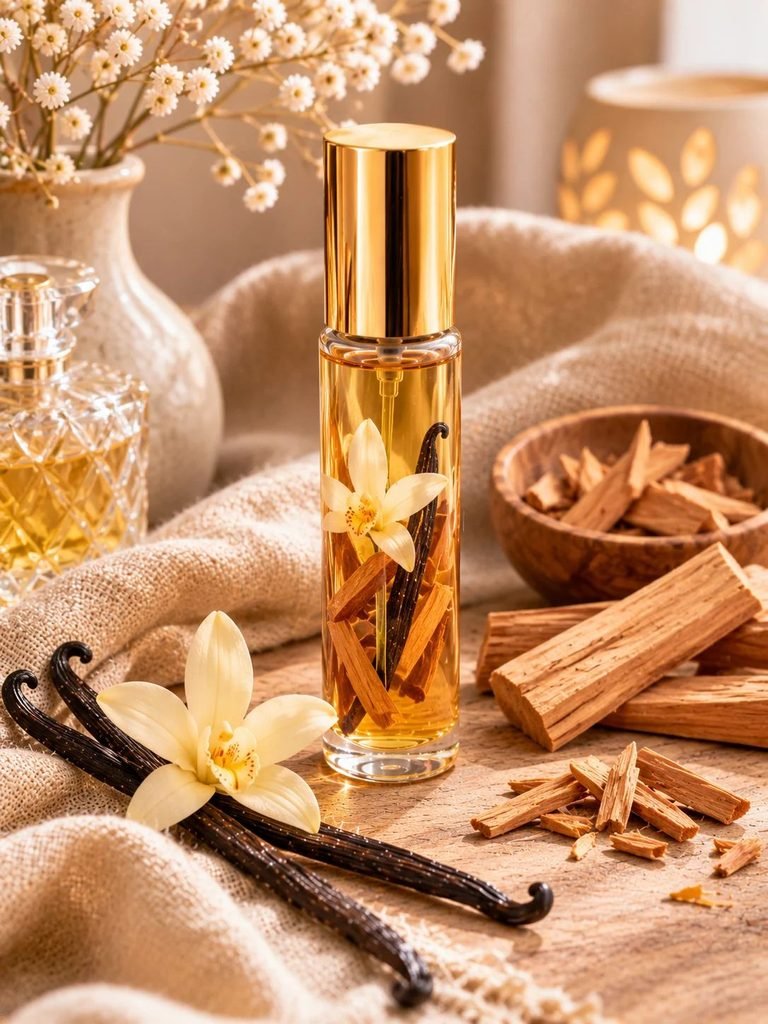
If you prefer deeper, warmer fragrances, vanilla and sandalwood make a wonderful pairing. Sandalwood has a creamy, woody aroma that complements vanilla beautifully.
This combination feels sophisticated without being overly complicated.
Ingredients:
- 1 drop skin-safe vanilla oleoresin
- 1 drop sandalwood essential oil suitable for topical use
- Jojoba oil to fill a 10 ml roller bottle
Instructions:
- Add both aromatic ingredients to your bottle.
- Fill with jojoba oil.
- Attach the roller-ball top.
- Gently mix by rolling the bottle between your hands.
- Label and leave the fragrance to settle.
Why you’ll love it: The woody aroma gives vanilla a richer character, creating a cozy fragrance that works beautifully throughout the year.
5. Vanilla and Ylang-Ylang Perfume
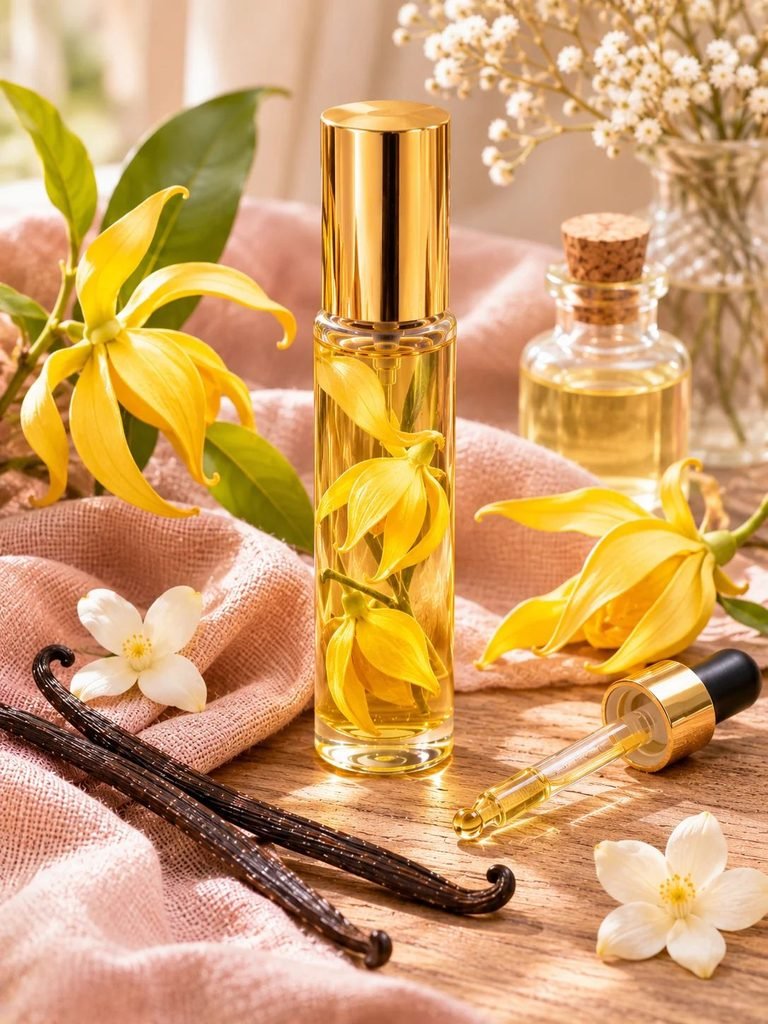
Ylang-ylang is a beautiful floral ingredient with a rich, sweet aroma. When paired with vanilla, it creates a fragrance that feels warm, feminine, and luxurious.
This is a lovely recipe if you enjoy floral perfumes that have a noticeable sweet character.
Ingredients:
- 1 drop skin-safe vanilla oleoresin
- 1 drop ylang-ylang essential oil
- Jojoba oil to fill a 10 ml roller bottle
Instructions:
- Add the two aromatic ingredients to your roller bottle.
- Pour in jojoba oil until the bottle is full.
- Secure the roller-ball top.
- Gently roll the bottle to combine.
- Label and store in a cool, dark place.
Why you’ll love it: Ylang-ylang brings a rich floral note, while vanilla softens the overall fragrance. Because ylang-ylang can be quite distinctive, this is a beautiful combination to try if you enjoy sweeter floral scents.
6. Vanilla and Frankincense Perfume
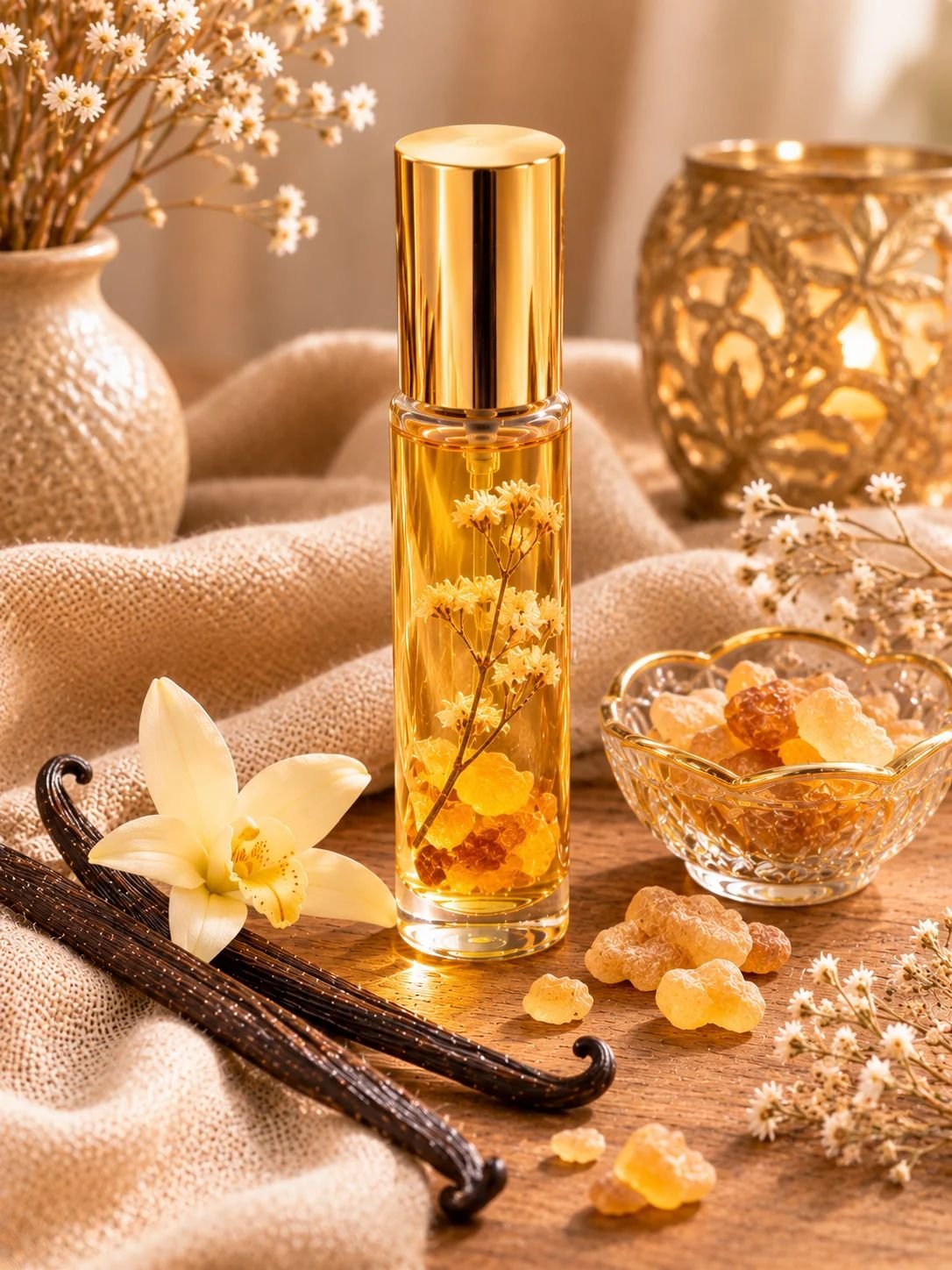
For a more earthy and elegant fragrance, vanilla and frankincense are a lovely combination. Frankincense has a warm, resinous, slightly woody aroma that gives sweet vanilla more depth.
It’s a wonderful option if you want something that feels different from traditional sugary vanilla perfumes.
Ingredients:
- 1 drop skin-safe vanilla oleoresin
- 1 drop frankincense essential oil
- Jojoba oil to fill a 10 ml roller bottle
Instructions:
- Add the vanilla oleoresin and frankincense to your bottle.
- Fill the rest with jojoba oil.
- Secure the lid and roller-ball top.
- Roll gently to combine.
- Let the perfume rest before evaluating its aroma.
Why you’ll love it: Frankincense gives vanilla a deeper, more sophisticated fragrance profile. It’s a beautiful option for anyone who enjoys warm, woody, and resinous scents.
7. Vanilla and Geranium Perfume
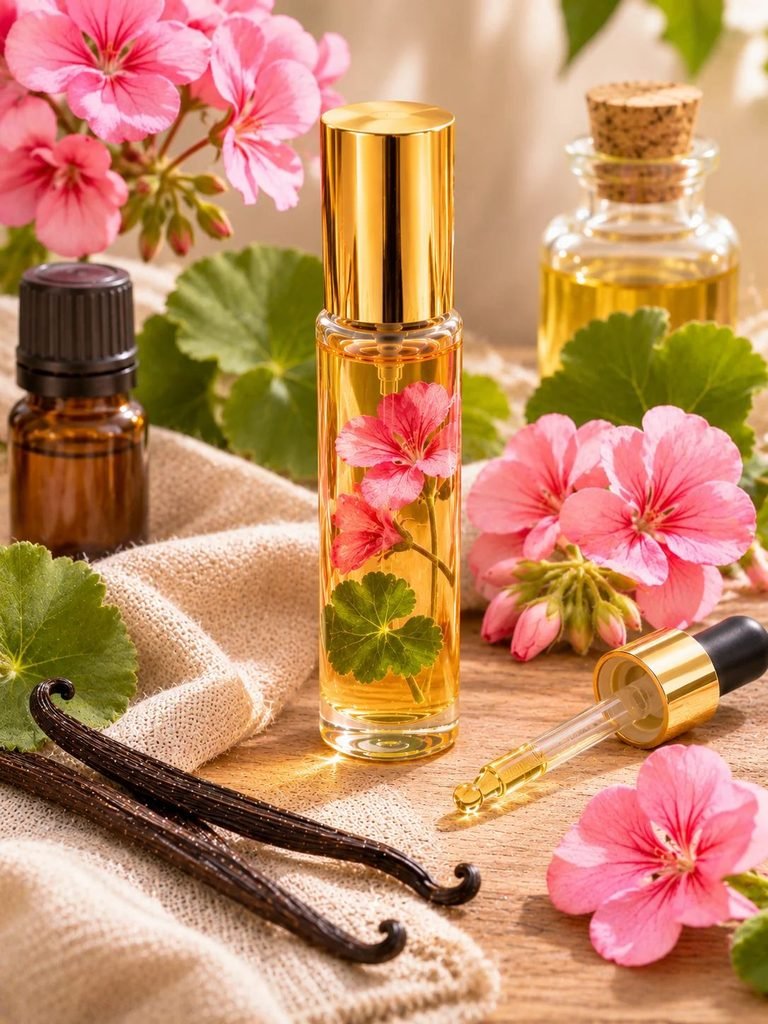
Geranium is a lovely floral essential oil with a fresh, slightly rosy aroma. It pairs nicely with vanilla, creating a fragrance that feels balanced between sweet and floral.
This combination is especially appealing if you enjoy floral perfumes but want something a little warmer.
Ingredients:
- 1 drop skin-safe vanilla oleoresin
- 1 drop geranium essential oil
- Jojoba oil to fill a 10 ml roller bottle
Instructions:
- Add both aromatic ingredients to your roller bottle.
- Top up with jojoba oil.
- Secure the roller-ball top.
- Gently roll the bottle between your palms.
- Label your creation.
Why you’ll love it: Geranium adds a fresh floral quality, while vanilla makes the fragrance feel softer and sweeter. It’s a lovely everyday fragrance combination.
8. Vanilla and Cedarwood Perfume
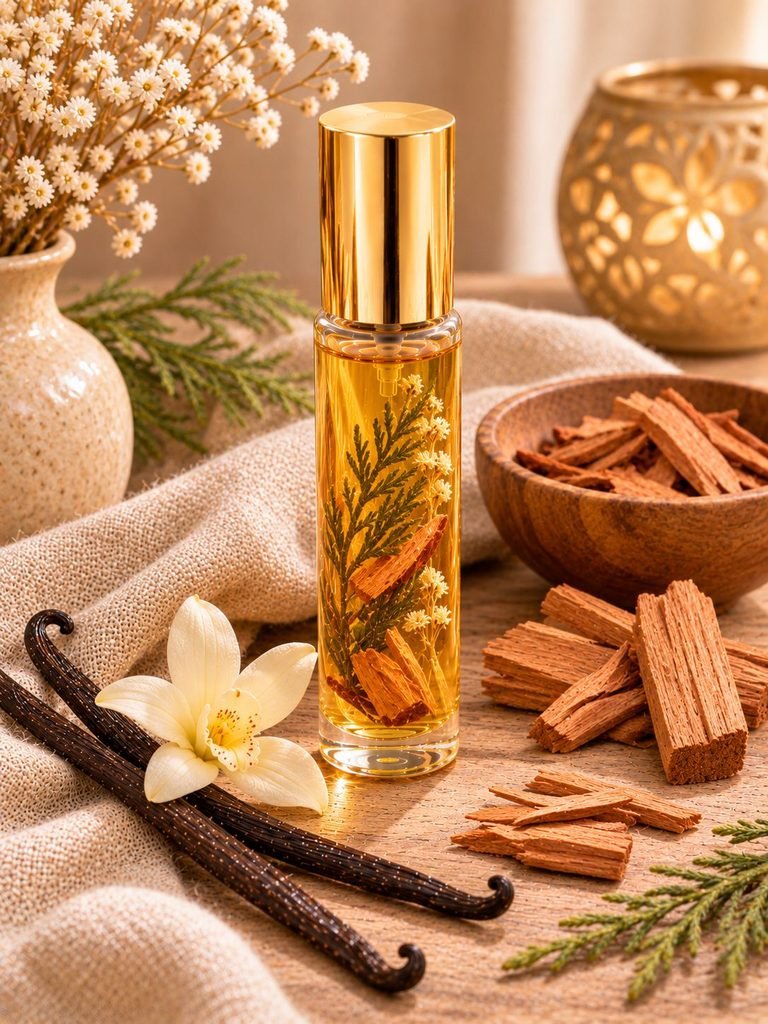
Cedarwood is a wonderful ingredient if you enjoy warm, natural, woody fragrances. Its dry, slightly earthy aroma creates a beautiful contrast with sweet vanilla.
This combination is a little less floral and more grounded, making it perfect for anyone who prefers understated fragrances.
Ingredients:
- 1 drop skin-safe vanilla oleoresin
- 1 drop cedarwood essential oil
- Jojoba oil to fill a 10 ml roller bottle
Instructions:
- Place the vanilla and cedarwood into your bottle.
- Add jojoba oil until the bottle is full.
- Attach the roller-ball top.
- Gently mix the ingredients.
- Label and allow the perfume to rest before use.
Why you’ll love it: Cedarwood gives vanilla a warm, woody finish that feels cozy and sophisticated. It’s a lovely option for cooler days and evenings.
9. Vanilla and Cardamom Perfume
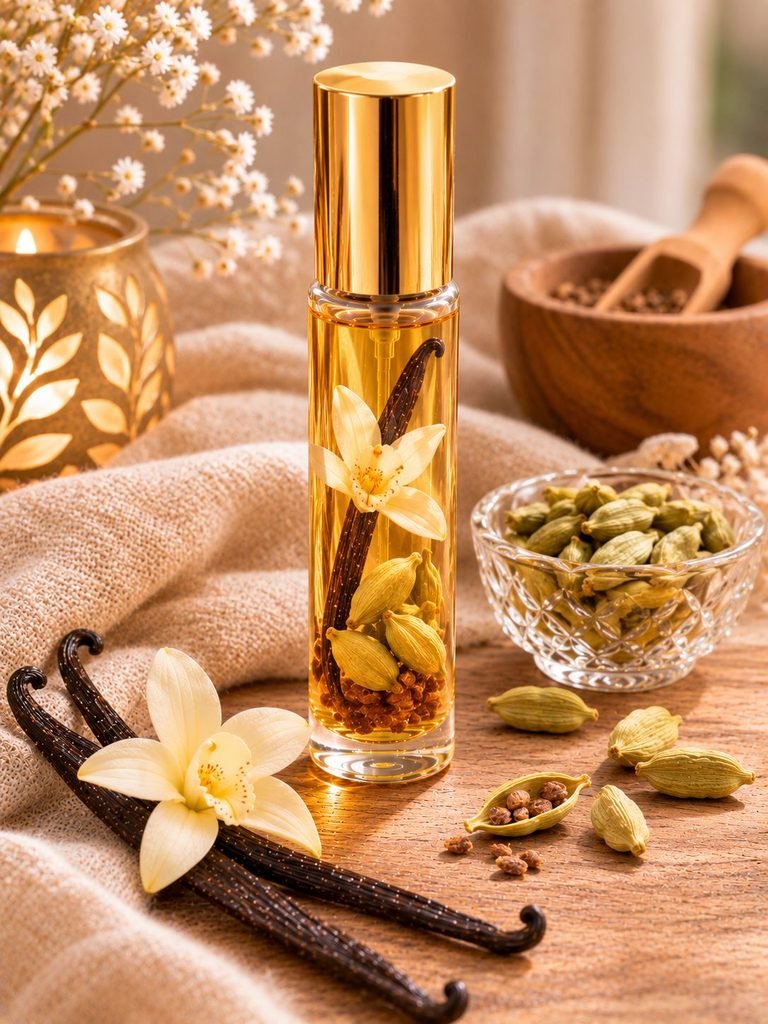
If you enjoy fragrances with a little spice, vanilla and cardamom are an interesting combination to explore. Cardamom has a fresh, aromatic, slightly spicy scent that can make sweet vanilla feel more complex.
Ingredients:
- 1 drop skin-safe vanilla oleoresin
- 1 drop cardamom essential oil approved for topical use
- Jojoba oil to fill a 10 ml roller bottle
Instructions:
- Add the vanilla and cardamom to your roller bottle.
- Fill the remaining space with jojoba oil.
- Secure the bottle tightly.
- Roll gently to combine.
- Label your perfume and allow the scent to settle.
Why you’ll love it: Cardamom adds a gentle aromatic spice that balances the sweetness of vanilla. Choose a properly identified cardamom oil and check its skin-use restrictions before making this blend.
10. Vanilla and Patchouli Perfume
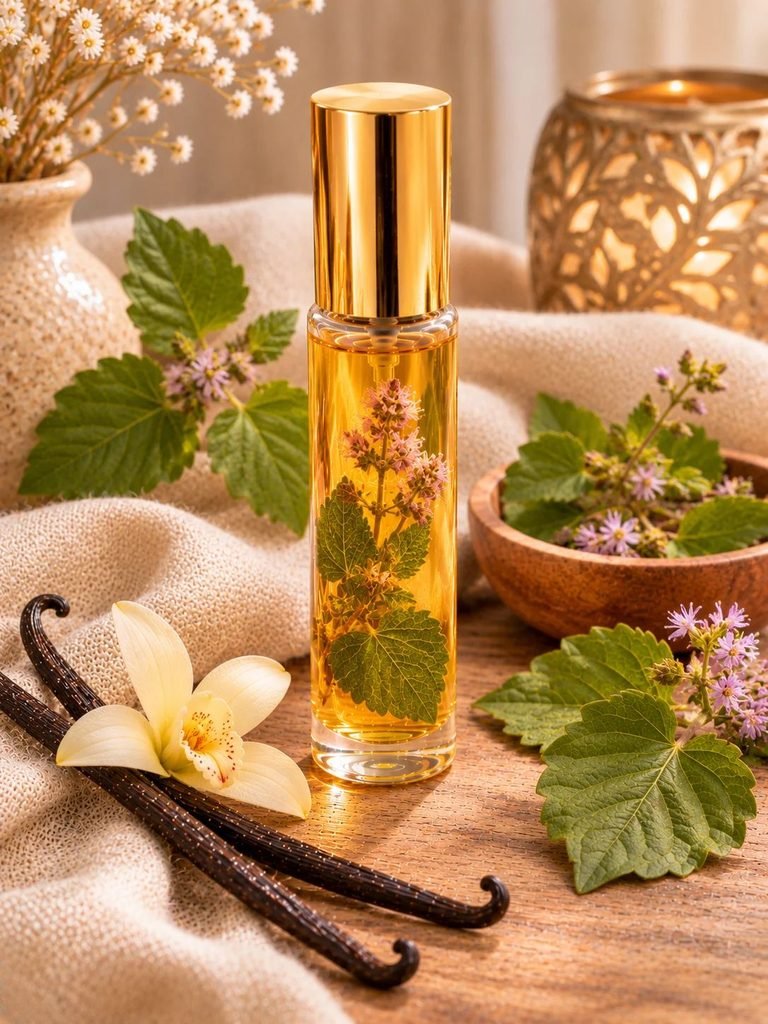
For a deeper, richer fragrance, vanilla and patchouli are a beautiful pairing. Patchouli has an earthy, woody aroma that gives vanilla a more complex and distinctive character.
If you love warm fragrances that don’t smell overly sweet, this combination is worth trying.
Ingredients:
- 1 drop skin-safe vanilla oleoresin
- 1 drop patchouli essential oil
- Jojoba oil to fill a 10 ml roller bottle
Instructions:
- Add both aromatic ingredients to your bottle.
- Fill the bottle with jojoba oil.
- Attach the roller-ball top and cap.
- Gently roll to combine the ingredients.
- Label and allow the perfume to rest before testing.
Why you’ll love it: Patchouli gives vanilla an earthy depth, creating a warm fragrance that feels distinctive and sophisticated.
How to Make Your Homemade Vanilla Perfume Last Longer
One of the things people often wonder about when making perfume at home is how to make the fragrance last throughout the day.
Oil-based perfumes generally sit closer to the skin than traditional alcohol-based sprays, so you may need to reapply them occasionally.
Here are a few simple tips to help you get the most out of your homemade fragrance.
1. Apply to moisturized skin. Perfume can evaporate more quickly from dry skin. Applying an unscented moisturizer before your perfume may help the fragrance feel more noticeable for longer.
2. Choose suitable base notes. Woody and resinous ingredients such as cedarwood, sandalwood, and frankincense can add depth to a vanilla fragrance.
3. Store your perfume properly. Keep your perfume in a tightly sealed, dark glass bottle away from direct sunlight and heat.
4. Avoid rubbing your wrists together. Apply the perfume gently and allow it to settle naturally.
5. Carry a small roller bottle. A 10 ml roller bottle is convenient for refreshing your fragrance throughout the day.
Remember that the longevity of homemade perfume depends on the ingredients, concentration, skin chemistry, and storage conditions.
How to Customize Your Own Vanilla Perfume
One of the best things about making perfume at home is that you don’t have to follow a recipe forever. Once you understand how different fragrance notes work together, you can start experimenting with your own combinations.
Here are a few ideas:
| Fragrance style | Ingredients to explore |
|---|---|
| Sweet and feminine | Vanilla and rose |
| Fresh and cheerful | Vanilla and sweet orange |
| Warm and cozy | Vanilla and sandalwood |
| Soft and floral | Vanilla and lavender |
| Earthy and sophisticated | Vanilla and patchouli |
| Rich and elegant | Vanilla and frankincense |
Start with tiny test batches and change only one ingredient at a time. Keep a notebook to record the ingredients, quantities, and your impressions of each fragrance.
This makes it easier to recreate your favorite combinations later.
How to Store Homemade Vanilla Perfume
Proper storage is important because essential oils and other aromatic materials can change over time, especially when exposed to heat, air, and light.
For the best results:
- Use clean, completely dry glass perfume bottles.
- Choose amber or dark-colored bottles whenever possible.
- Keep the lids tightly closed after every use.
- Store your perfumes in a cool cupboard away from windows and bathrooms with frequent temperature changes.
- Label every bottle with its ingredients and preparation date.
- Discard any perfume that develops an unusual smell, changes noticeably in appearance, or causes irritation.
Oil-based perfumes do not need water as an ingredient, and adding water without an appropriate preservation and formulation system can create unnecessary microbial risks.
Make small batches rather than preparing large quantities that may sit unused for months.
Frequently Asked Questions
1. Can I use vanilla extract instead of vanilla essential oil?
Regular vanilla extract is designed for cooking, not for formulating leave-on perfumes. It may contain water, alcohol, and other ingredients that are not suitable for your intended formula.
Instead, look for cosmetic-grade vanilla oleoresin, vanilla absolute, or another vanilla aromatic material specifically approved for topical use.
2. What essential oils smell good with vanilla?
Vanilla blends beautifully with several fragrance families. Lavender, rose, sweet orange, frankincense, sandalwood, cedarwood, geranium, and patchouli are lovely options to explore.
The best combination depends on whether you prefer sweet, floral, fresh, woody, or earthy fragrances.
3. Can I make vanilla perfume without alcohol?
Absolutely! An oil-based perfume is a wonderful alcohol-free option.
Simply combine your selected skin-safe aromatic ingredients with a suitable carrier oil, such as jojoba or fractionated coconut oil, in a roller bottle.
Remember that the essential oils still need to be properly diluted.
4. How long does homemade vanilla perfume last?
The fragrance may last for different lengths of time depending on the ingredients, concentration, storage, and your skin chemistry.
Oil-based perfumes generally produce a softer scent that stays closer to the skin. You may need to reapply throughout the day.
5. Can I sell homemade vanilla perfume?
You can explore making perfume as a small business, but selling cosmetics requires more than simply following a DIY recipe.
You should check the cosmetic regulations in your country, use appropriately documented ingredients, establish product safety, maintain good manufacturing practices, and provide accurate ingredient labeling.
If you plan to sell your perfumes, consider working with a qualified cosmetic formulator to develop and assess your products.
6. Can I make vanilla perfume as a gift?
Yes! Homemade vanilla perfume makes a thoughtful handmade gift.
You can package your finished roll-on in a pretty glass bottle, add a small personalized label, and place it inside a gift box with tissue paper and a little ribbon.
It’s a lovely idea for birthdays, Christmas, bridal showers, and other special occasions.
Final Thoughts
Making your own vanilla perfume is such a lovely way to explore fragrance and create something that feels personal. Whether you prefer the gentle floral aroma of lavender, the sweetness of rose, or the warm richness of sandalwood, there are so many beautiful ways to experiment with vanilla.
My favorite thing about these recipes is that they give you the freedom to discover what you enjoy without needing a complicated perfume-making setup. Start with one or two combinations, take your time experimenting, and keep track of the fragrances you love most.
You might even discover a signature scent that becomes your new everyday favorite!
And if you enjoy handmade beauty projects, don’t be afraid to experiment with other fragrance combinations. Sometimes the most beautiful creations come from trying something new.